What to Do Immediately After Water Damage in Your Home
Water damage can happen when you least expect it. A burst pipe during winter, heavy rainfall, roof leaks, appliance malfunctions, or basement flooding can quickly turn into a costly problem if not handled properly.
For homeowners in Lake George, Warrensburg, and surrounding New York communities, water damage is especially common during freezing winters and seasonal storms. The good news? Acting quickly can significantly reduce repair costs and prevent long-term structural problems.
If you’re dealing with water damage, this guide explains exactly what to do immediately to protect your home, belongings, and safety.
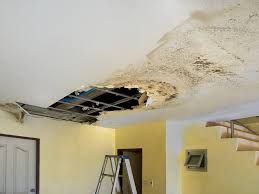
Quick Answer: What Should You Do First After Water Damage?
Immediately after water damage:
- Stop the water source
- Turn off electricity if necessary
- Remove standing water
- Protect furniture and belongings
- Dry affected areas quickly
- Check for hidden moisture
- Prevent mold growth
- Contact a professional restoration company if damage is extensive
The faster you act, the better your chances of minimizing long-term damage.
1. Stop the Source of Water Immediately
Before anything else, stop the water from continuing to spread.
Depending on the cause, this may involve:
- Turning off the main water supply
- Shutting off leaking appliances
- Addressing plumbing failures
- Temporarily covering roof leaks
- Redirecting outdoor water flow
In many New York homes, frozen or burst pipes are one of the most common causes of indoor water damage during winter.
Stopping the source quickly helps prevent further structural damage and saves money on repairs.
2. Turn Off Electricity (If It’s Safe)
Water and electricity can be extremely dangerous together.
If water has reached outlets, electrical systems, or appliances:
Safety First
- Turn off electricity at the breaker panel
- Avoid standing water near electrical sources
- Stay out of flooded rooms if power is active
- Call an electrician if necessary
Never take risks with electrical hazards during water damage situations.
Your safety always comes first.
3. Remove Standing Water Quickly
The longer water sits, the more damage it causes.
Standing water can weaken flooring, damage drywall, affect insulation, and encourage mold growth within 24–48 hours.
Ways to Remove Water
For minor issues:
- Towels and mops
- Buckets
- Wet/dry vacuums
For major flooding:
- Professional water extraction equipment
- Industrial pumps
- Moisture removal systems
In areas like Lake George and Warrensburg, basement flooding after storms or snowmelt can require professional extraction to fully remove trapped moisture.
4. Move and Protect Your Belongings
Once the water source is controlled, focus on preventing further damage to valuable belongings.
Remove Items Such As:
- Furniture
- Rugs and carpets
- Electronics
- Documents and photos
- Decorative items
Place items in a dry, ventilated space to reduce moisture exposure.
If furniture remains wet too long, it may warp, stain, or develop mold.
Acting fast can save many belongings from permanent damage.
5. Start Drying the Area Immediately
Drying is one of the most important steps after water damage.
Even when surfaces appear dry, moisture can remain trapped inside walls, flooring, and ceilings.
How to Dry Your Home Faster
- Open windows when weather allows
- Use fans to improve airflow
- Run dehumidifiers continuously
- Remove soaked materials if necessary
- Lift wet carpeting and padding
New York’s humid summers and cold winters can slow drying times, which is why proper moisture control matters.
Without proper drying, hidden moisture can lead to mold growth and structural deterioration.
6. Check for Hidden Water Damage
Water doesn’t always stay visible.
It can spread behind drywall, under flooring, into insulation, or through ceiling cavities.
Common Hidden Damage Areas
- Behind drywall
- Under hardwood flooring
- Ceiling cavities
- Basement walls
- Insulation inside walls
Signs of hidden moisture may include:
- Musty smells
- Warped flooring
- Bubbling paint
- Soft drywall
- Discoloration
Professional restoration specialists often use moisture detection equipment to locate water damage that homeowners can’t easily see.
7. Prevent Mold Growth Before It Starts
Mold can begin growing surprisingly fast—sometimes within just 24 to 48 hours after water exposure.
This is one reason water damage should never be ignored.
Steps to Help Prevent Mold
- Dry affected areas immediately
- Remove heavily damaged materials
- Keep humidity levels low
- Disinfect affected surfaces
- Improve ventilation
Mold growth can affect indoor air quality and lead to more expensive repairs later.
In older homes throughout Warren County and surrounding areas, moisture problems can spread quickly if not addressed early.
8. Document the Damage for Insurance Claims
Before major cleanup begins, document everything.
What to Record
- Photos of all damage
- Videos of affected rooms
- Damaged belongings
- Water source evidence
- Repair receipts
Detailed documentation can help speed up insurance claims and reduce disputes over coverage.
Keep records organized in case additional repairs become necessary later.
9. Know When to Call a Water Damage Professional
Some small leaks can be managed yourself.
However, professional help is recommended when:
- Water covers large areas
- Drywall or ceilings are affected
- Mold is visible
- Flooding reaches electrical systems
- Flooring begins warping
- Structural damage appears possible
An experienced restoration contractor can help identify hidden problems and restore your home properly.
At Duell Action Builders, homeowners across Lake George, Warrensburg, and nearby New York communities often seek professional help for water-related repairs, drywall restoration, and structural recovery after leaks or flooding.
Why Fast Action Matters
Delaying repairs often makes water damage significantly worse.
Quick action helps:
- Prevent mold growth
- Reduce repair costs
- Protect drywall and flooring
- Avoid structural issues
- Improve restoration outcomes
The sooner drying and repairs begin, the better the long-term results.
Final Thoughts
Water damage can feel overwhelming, but acting quickly makes a major difference.
Whether the issue comes from frozen pipes, storm damage, roof leaks, or plumbing failures, taking immediate action helps protect your home and minimize costly repairs.
By stopping the water source, drying affected areas, and getting professional help when necessary, homeowners can avoid bigger structural problems down the road.
If water damage has affected your home, addressing the issue early is always the smartest investment.
Frequently Asked Questions
What should I do first after water damage?
The first step is to stop the water source and prevent more water from spreading through the home.
How quickly should water damage be cleaned up?
Immediately. Mold can begin growing within 24–48 hours, making fast cleanup essential.
Can I repair water damage myself?
Minor leaks may be manageable, but extensive flooding, drywall damage, or mold concerns usually require professional restoration.
How long does water damage restoration take?
Minor damage may take a few days, while major restoration projects can take one to several weeks depending on severity.
What are signs of hidden water damage?
Common signs include bubbling paint, warped floors, soft drywall, stains, musty odors, and ceiling discoloration.
You might also like
Blog