Common Drywall Pr-oblems in New York Homes (and How to Fix Them)
Drywall damage is one of the most common issues homeowners face in New York—especially in areas like Lake George, Warrensburg, and surrounding communities where changing temperatures, winter moisture, and aging homes can take a toll on interior walls.
Small drywall issues may seem harmless at first, but ignoring them can lead to bigger repairs, water damage, mold concerns, or expensive renovations later.
If you've noticed cracks, stains, bubbling paint, or holes in your walls, understanding the cause is the first step toward fixing the problem the right way.
In this guide, we’ll cover the most common drywall problems in New York homes, what causes them, and when it’s time to call a professional for repairs.
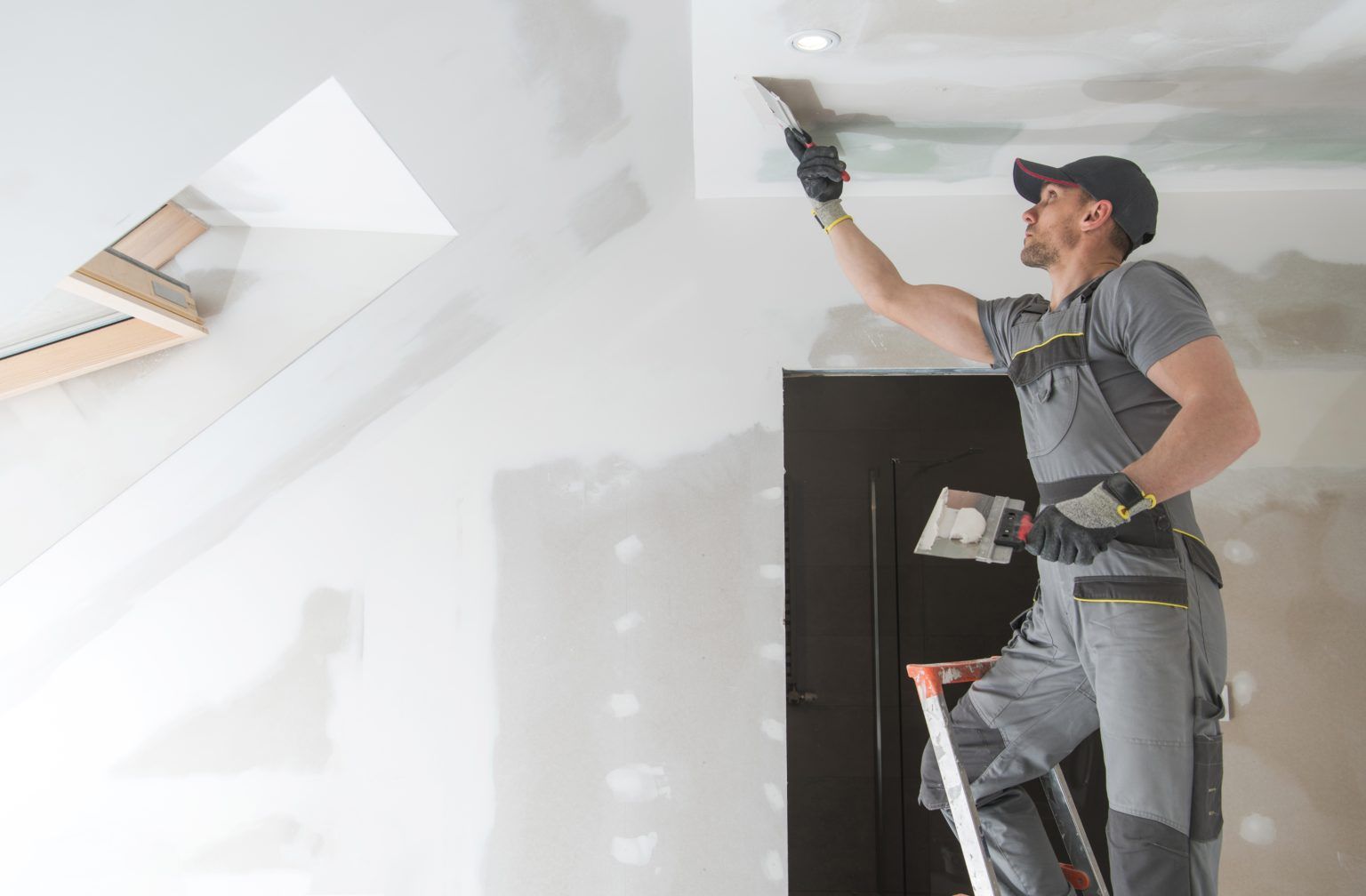
Quick Answer: What Causes Most Drywall Problems in New York?
The most common drywall problems in New York homes are caused by:
- Seasonal temperature changes
- Moisture and water damage
- Home settling and structural movement
- Poor drywall installation
- Everyday wear and tear
Homes in Lake George, Warrensburg, and nearby areas often experience freeze-thaw cycles and humidity changes that can gradually damage drywall over time.
1. Drywall Cracks from Seasonal Changes and Home Settling
Cracks are one of the most frequent drywall issues homeowners encounter.
In New York, homes naturally expand and contract due to changing temperatures. Older homes, especially in Warren County and surrounding areas, may also shift slightly over time, causing drywall seams to crack.
Signs to Watch For
- Thin hairline cracks near ceilings
- Cracks above doors and windows
- Joint seam separation
- Reappearing cracks after patching
How to Fix It
Minor cracks can often be repaired with:
- Joint compound
- Sanding and repainting
- Fresh drywall tape for seams
However, larger or recurring cracks may signal underlying structural movement and should be inspected professionally.
At Duell Action Builders, homeowners often seek drywall repair services after winter months when expansion and contraction are most noticeable.
2. Water Damage and Drywall Stains
Water damage is one of the biggest threats to drywall.
Leaky roofs, burst pipes, plumbing problems, basement moisture, and ice dams during New York winters can quickly damage walls and ceilings.
Water-damaged drywall weakens over time and can eventually lead to mold growth if left untreated.
Common Warning Signs
- Yellow or brown stains
- Bubbling or peeling paint
- Soft drywall texture
- Sagging ceiling areas
- Musty smells inside the home
How to Fix Water-Damaged Drywall
The first step is always identifying and fixing the moisture source.
After that:
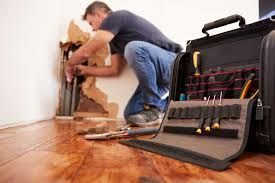
- Remove damaged drywall sections
- Fully dry the affected area
- Inspect for hidden moisture or mold
- Replace drywall and repaint
Quick action matters. Delaying repairs can increase restoration costs and create larger structural concerns.
For homeowners in Lake George and Warrensburg, winter pipe issues and roof leaks are among the most common causes of drywall water damage.
3. Holes and Impact Damage in Drywall
From moving furniture to accidental bumps, drywall holes are incredibly common in busy households.
Even small dents can make a room feel unfinished and affect your home's appearance.
Types of Drywall Damage
Small holes:
Usually caused by nails, screws, or minor accidents.
Medium-sized holes:
Common from door handles or furniture impacts.
Large holes:
May result from plumbing repairs, renovations, or serious accidental damage.
Repair Options
Depending on the size:
- Small holes may only need patch compound
- Medium holes often require mesh reinforcement
- Larger damage may need partial drywall replacement
Proper finishing is key. Even repaired drywall can look uneven if sanding and texture blending aren’t done correctly.
4. Nail Pops and Fastener Problems
Have you noticed tiny bumps or circles appearing on your wall?
These are called nail pops, and they happen when drywall fasteners slowly push outward.
This problem is especially common in homes affected by seasonal movement.
Why Nail Pops Happen
- Wood framing shifts over time
- Seasonal temperature changes
- Improper original installation
- Normal settling of the house
How Professionals Fix Nail Pops
Most repairs involve:
- Removing or securing loose fasteners
- Reinforcing the drywall properly
- Applying fresh compound
- Sanding and repainting the surface
When fixed correctly, the repair blends seamlessly with surrounding walls.
5. Peeling Tape and Drywall Seam Issues
Drywall tape helps hide seams between wall panels, but over time it can begin peeling or bubbling.
This is especially common in humid environments or homes with older drywall work.
Signs of Drywall Tape Failure
- Bubbling wall seams
- Peeling tape edges
- Visible drywall joints
- Uneven wall texture
Repair Process
Fixing seam problems typically requires:
- Removing damaged tape
- Applying new drywall tape
- Recoating with compound
- Sanding for a smooth finish
DIY fixes often fail because proper blending takes experience and precision.
6. Uneven Walls and Poor Drywall Finishing
Not all drywall problems involve visible damage.
Sometimes walls simply look rough, uneven, or poorly finished.
This often happens after rushed renovations or low-quality installations.
Signs of Poor Drywall Work
- Uneven textures
- Visible seams
- Poor paint finish
- Bumpy wall surfaces
- Light reflecting unevenly on walls
Solutions
A skim coat or refinishing process can dramatically improve wall appearance and create a cleaner, smoother finish.
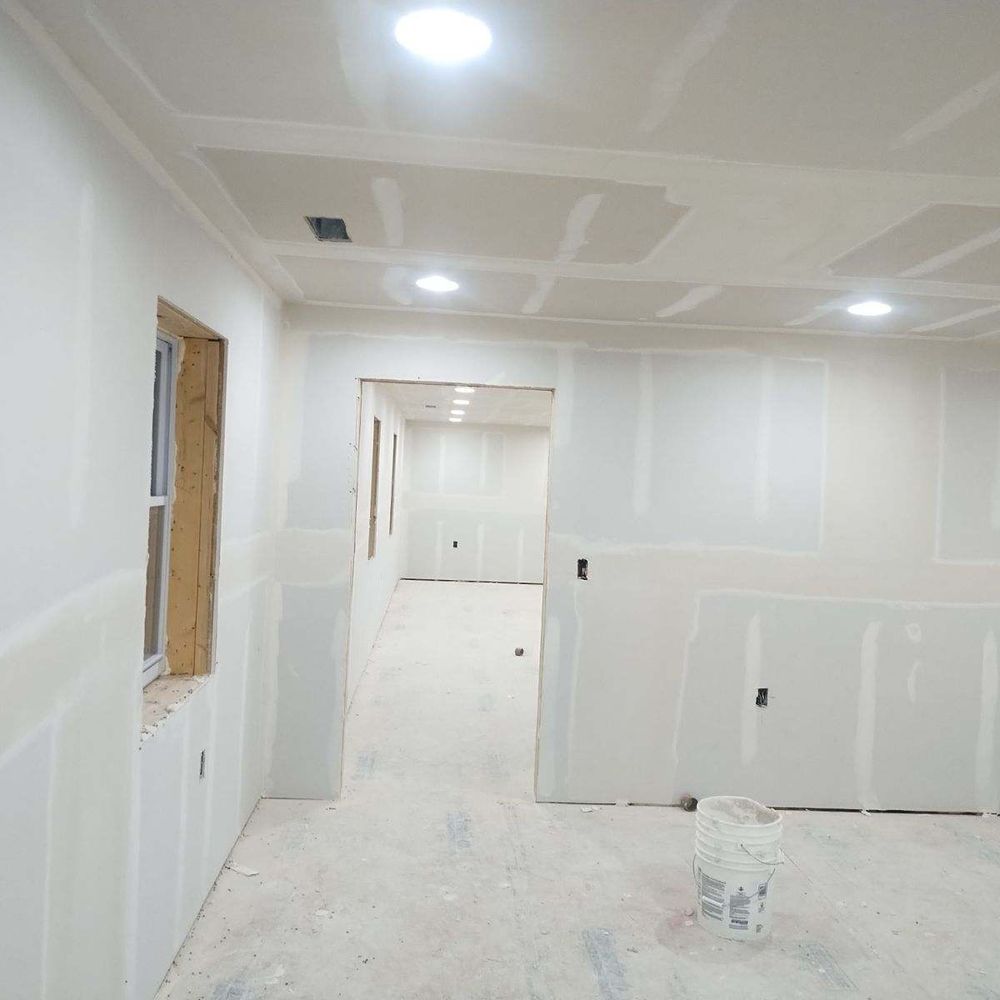
For homeowners planning renovations, quality drywall installation plays a major role in the final appearance of the space.
When Should You Call a Professional for Drywall Repair?
Small cosmetic repairs can sometimes be handled yourself.
However, it’s best to call a professional if you notice:
- Large wall cracks
- Water-damaged drywall
- Mold concerns
- Repeated drywall issues
- Sagging ceilings
- Large holes or structural damage
An experienced contractor can identify hidden problems and ensure repairs last long-term.
For New York homeowners, especially in older homes around Lake George and Warrensburg, professional drywall repair often prevents larger issues from developing later.
Why Professional Drywall Repair Matters
Professional drywall repair offers more than cosmetic improvements.
It helps:
- Restore your home's appearance
- Prevent worsening damage
- Improve durability
- Protect against moisture-related issues
- Increase property value
At Duell Action Builders, drywall repair and installation services are tailored to the unique conditions New York homeowners face—from winter weather damage to aging interior walls.
Final Thoughts
Drywall issues are common in New York homes, but they rarely improve on their own.
Whether you're dealing with cracks, water stains, nail pops, or damaged seams, addressing problems early can save time, money, and frustration.
Understanding what caused the damage—and repairing it correctly—helps protect both your home's appearance and long-term condition.
If you’re seeing recurring drywall problems in your home, working with an experienced local contractor can help ensure lasting results.
Frequently Asked Questions
What causes drywall cracks in New York homes?
Drywall cracks are usually caused by seasonal temperature changes, home settling, humidity, or structural movement—especially in older New York homes.
Can water-damaged drywall be repaired?
Yes, but damaged sections often need replacement if moisture has weakened the drywall or caused mold growth.
Should I repair or replace damaged drywall?
Minor cracks and holes can usually be repaired. Severe water damage, sagging, or repeated issues may require replacement.
How much does drywall repair cost in New York?
The cost depends on the size of the repair, materials, and labor involved. Small repairs are typically less expensive than full wall replacement.
When should I hire a drywall contractor?
You should hire a professional if the damage involves water, mold, structural movement, or larger wall sections.
You might also like
Blog