Before You Hire Excavating Contractors in Warrensburg, Read This
Whether you're building a new home, preparing land for development, installing a septic system, or improving drainage on your property, choosing the right excavation contractor is essential. Excavation serves as the foundation for many residential and commercial projects, and mistakes during this stage can lead to delays, drainage issues, and costly repairs.
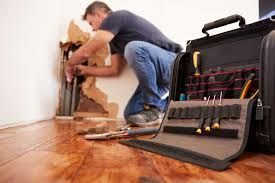
If you're searching for excavating contractors in Warrensburg, it's important to consider more than just price. Experience, equipment, safety practices, local knowledge, and reputation all play a role in ensuring quality results. In some cases, properties affected by flooding or storm damage may also require professional damage restoration services before excavation work begins.
Before signing a contract, take the time to understand what separates a reliable excavation contractor from the rest. Here are the key factors every property owner in Warrensburg should consider before hiring.New Paragraph
Why Hiring the Right Excavating Contractor Matters
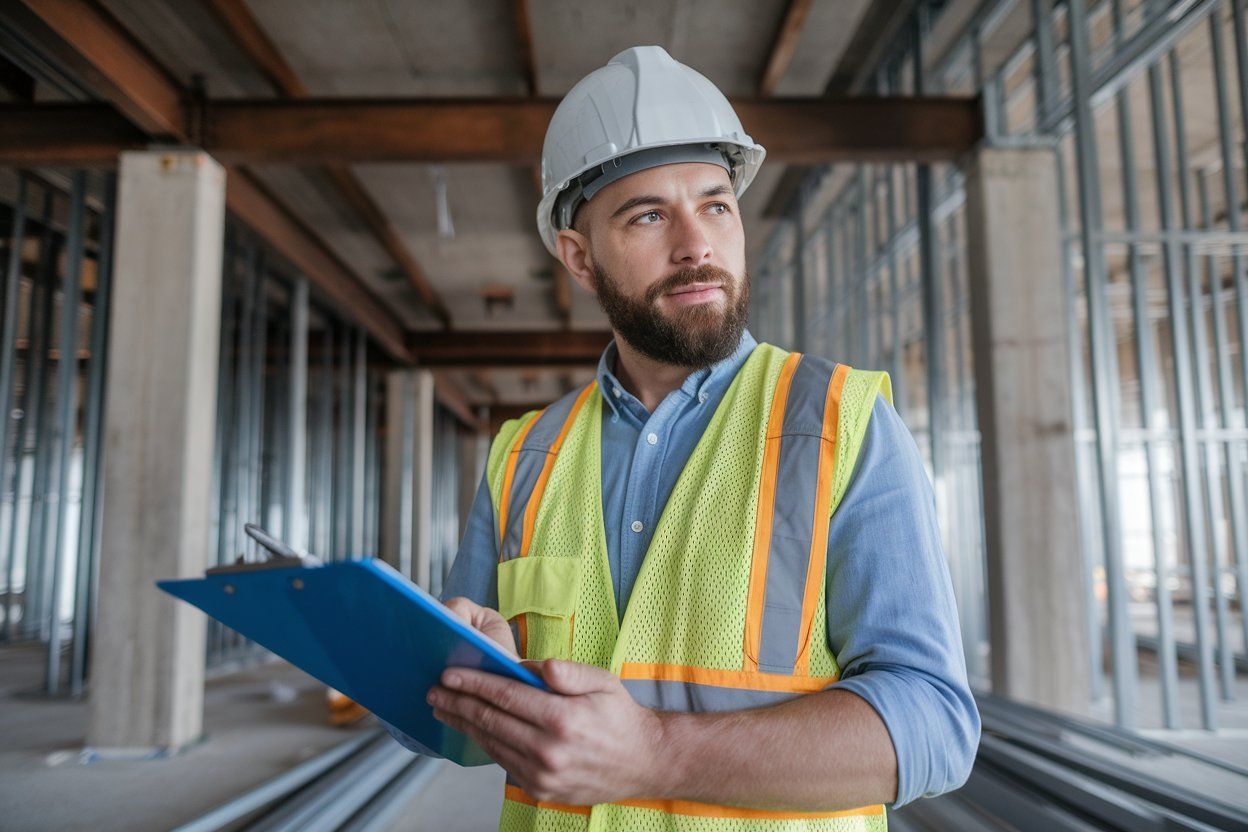
Excavation is a crucial part of any construction or property improvement project. Whether you're preparing land for a new home, installing a septic system, or improving drainage, the quality of the excavation work can directly impact the success of the project. Hiring an experienced excavating contractor helps ensure the work is completed safely, efficiently, and according to local requirements.
A qualified contractor can identify potential site challenges, manage drainage concerns, and operate specialized equipment properly. Their expertise helps prevent costly problems such as improper grading, erosion, foundation issues, and damage to underground utilities. By choosing a reputable excavation contractor, property owners can reduce risks, avoid delays, and create a strong foundation for long-term project success.
What Must Be Done Before Excavation Begins?
Before excavation begins, proper planning is essential to ensure the project runs smoothly and safely. A professional excavation contractor will assess the property, review project requirements, and identify potential challenges related to grading, drainage, and site access.
One of the most important steps is locating and marking underground utilities, including water, gas, electrical, and communication lines. Contractors may also need to obtain permits and ensure the project complies with local regulations.
Property owners should evaluate soil conditions, drainage patterns, and any existing structures that could be affected by excavation. If the property has experienced flooding or storm damage, addressing those issues beforehand is important. Taking these steps helps reduce delays, improve safety, and create a strong foundation for a successful project.
Which Safety Practices Are Required During Excavation?
Safety is a critical part of any excavation project. Because excavation work involves heavy equipment, underground utilities, and trenching activities, proper safety procedures help protect workers, property, and surrounding structures.
Before digging begins, contractors should locate and mark all underground utilities to prevent accidental damage. Site assessments are also important for identifying potential hazards and planning the safest approach for the project.
When trenches are required, contractors must follow proper safety guidelines to reduce the risk of collapses and ensure safe access to excavation areas. Equipment operators should be trained and experienced, and all work should comply with applicable safety regulations.
By following established safety practices, excavation contractors can minimize risks, prevent delays, and complete projects safely and efficiently.
Common Excavation Services Available in Warrensburg
Excavation contractors provide a range of services for residential and commercial projects. Understanding these services can help property owners choose the right contractor and ensure their project starts with proper site preparation.
Site Preparation
Site preparation includes clearing vegetation, removing debris, and leveling the ground before construction begins. Proper preparation helps create a stable building surface and reduces the risk of future drainage issues. Many property owners also choose to work with a garage builder when planning detached garages, workshops, or additional structures after the site has been prepared.
Foundation Excavation
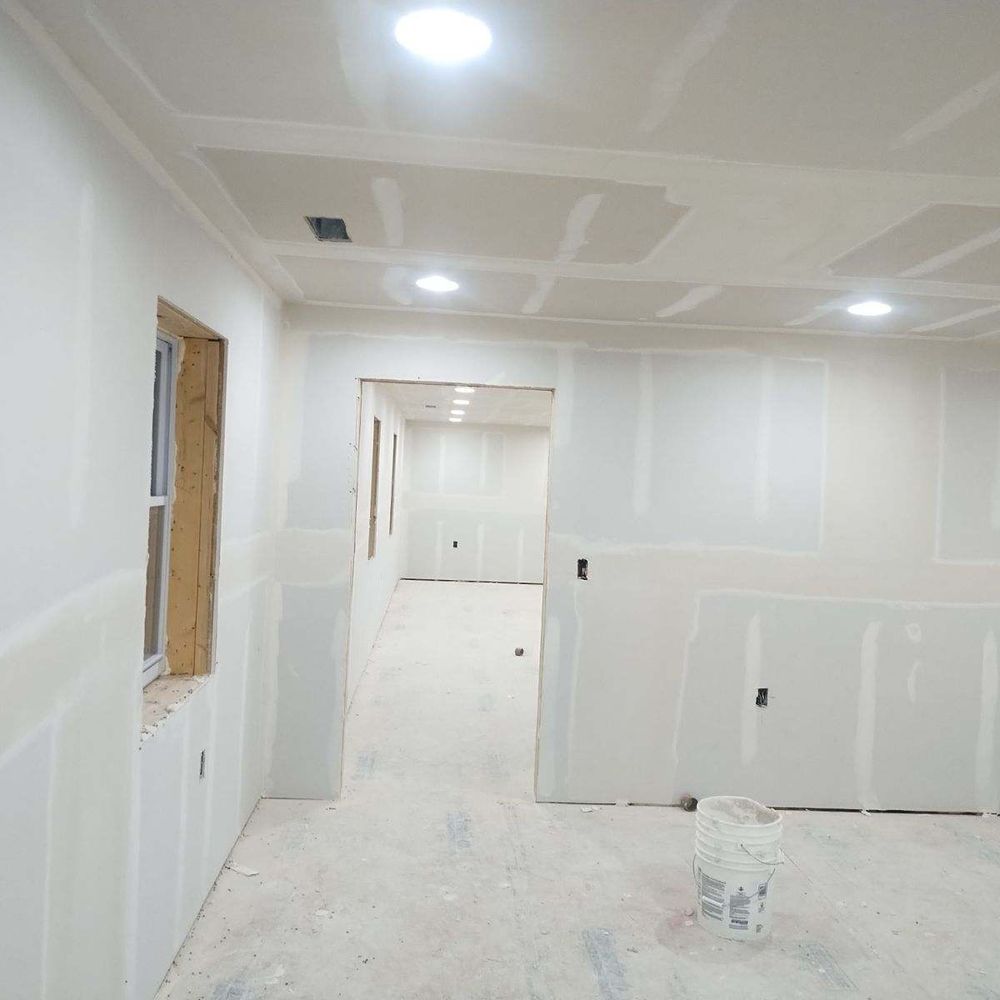
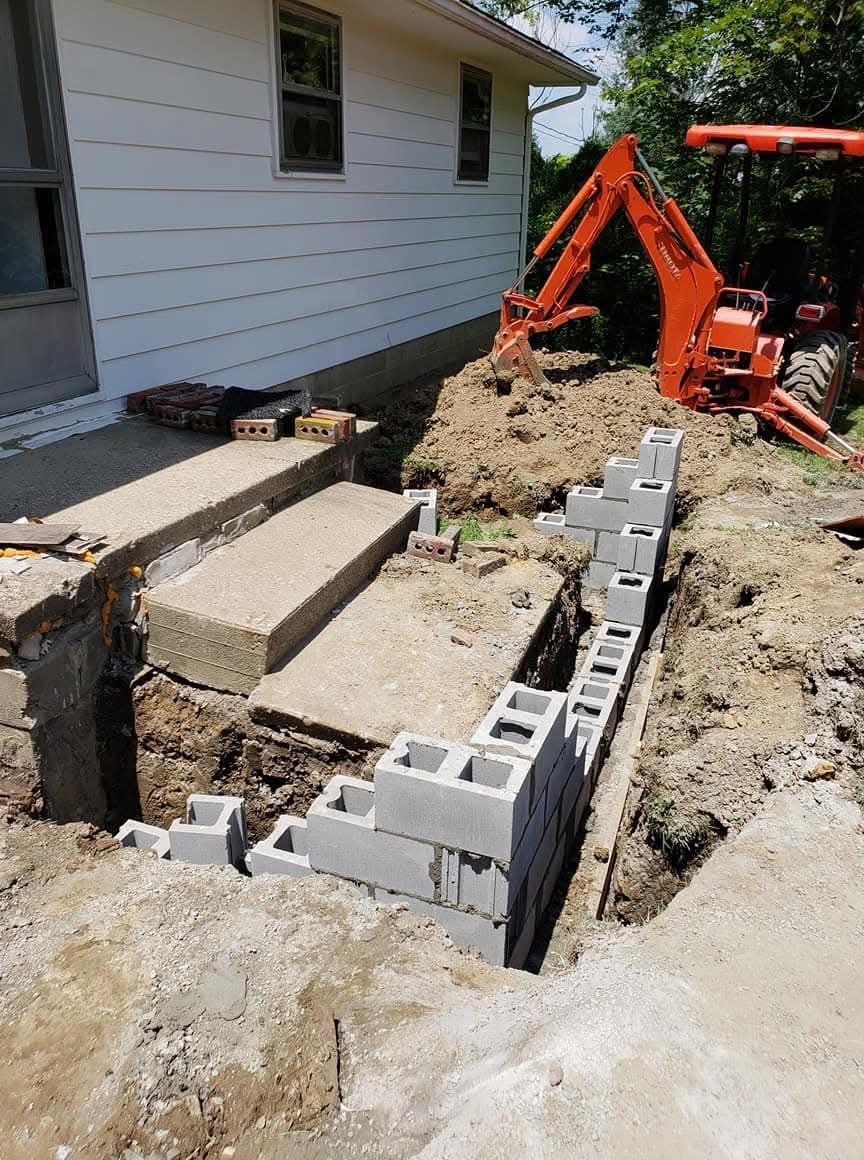
Foundation excavation prepares the ground for homes, garages, and other structures. Accurate excavation helps support a stable foundation and long-term structural integrity. Once construction is complete, services such as drywall installation and repair may be needed to finish the interior space.
Grading and Drainage Solutions
Grading helps direct water away from structures and improves drainage. Proper grading can reduce the risk of erosion, standing water, and foundation damage.
Utility Trenching
Utility trenching is used to install underground water, sewer, electrical, and communication lines. Professional contractors ensure trenches are safely excavated and backfilled according to local requirements.
Red Flags to Watch for When Hiring an Excavation Contractor
Hiring the wrong excavation contractor can lead to delays, unexpected costs, and poor-quality work. Before making a decision, watch for warning signs that may indicate a lack of experience or professionalism.
One major red flag is a contractor who cannot provide proof of licensing or insurance. Property owners should also be cautious of vague estimates, poor communication, or pressure to make a quick decision without reviewing project details.
A lack of references, negative customer reviews, or little evidence of previous work may also raise concerns. Additionally, unusually low bids can sometimes indicate hidden costs or lower-quality workmanship.
Taking the time to compare contractors, review estimates, and verify credentials can help you avoid costly mistakes and choose a contractor you can trust.
Final Thoughts Before Hiring an Excavating Contractor
Choosing the right excavating contractor can make a significant difference in the success of your project. From site preparation and grading to foundation excavation and utility trenching, experienced professionals help ensure the work is completed safely and efficiently.
Before hiring a contractor, review their experience, licensing, insurance coverage, reputation, and project estimates. Taking the time to compare your options can help you avoid costly mistakes and achieve better results.
Whether you're planning excavation work, property improvements, or new construction, working with a trusted company like Duell Action Builders can help you move forward with confidence and build a strong foundation for your project.
Frequently Asked Questions
How much do excavating contractors charge in Warrensburg?
Excavation costs vary based on project size, site conditions, equipment needs, and the amount of material being moved. Requesting a detailed estimate is the best way to determine project costs.
What should I look for when hiring an excavation contractor?
Look for proper licensing, insurance, experience, positive reviews, and a history of completing similar projects. A written estimate and clear communication are also important.
Do excavation contractors handle permits and utility locates?
Many excavation contractors assist with permits and utility locating services before work begins. Be sure to confirm these responsibilities during the planning process.
How long does an excavation project typically take?
Project timelines depend on the scope of work, weather conditions, and site accessibility. Smaller projects may take a few days, while larger jobs can take several weeks.
Can excavation services help solve drainage problems?
Yes. Proper grading and drainage solutions can help direct water away from structures, reduce erosion, and prevent standing water issues.
Is excavation necessary before building a garage or new structure?
In most cases, excavation is required to prepare the site, create a stable foundation, and support proper drainage around the structure.
You might also like
Blog